
Book: Learning Through Newspaper 【简化字与英文】

各位朋友大家好,
今日我们想推荐一本有用的书,
倘若朋友们想了解更多中文或汉语
特别是书面语和写作方面,
我们劝大家看

Gèwèi péngyǒu dàjiā hǎo,
Jīn rì wǒ men xiǎng tuī jiàn yì běn yǒu yòng de shū,
Tǎng ruò péng yǒu men xiǎng liǎo jiě gèng duō zhōng wén huò hàn yǔ
Tè bié shì shū miàn yǔ hé xiě zuò fāng miàn,
Wǒ men quàn dà jiā kàn
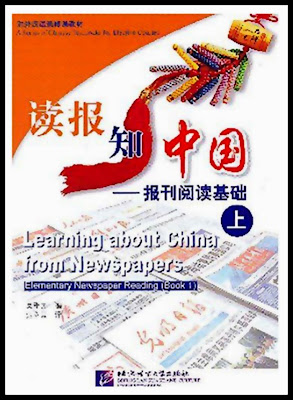


“读报知中国:报刊阅读基础”
“Dú bàozhī zhōngguó: Bàokān yuèdú jīchǔ”
【Learning about China from Newspapers】


我们觉得这本书的内容解释得很详细
能让学习者了解更多报刊常用的词语。
Wǒ men jué de zhè běn shū de nèi róng jiě shì de hěn xiáng xì
Néng ràng xué xí zhě liǎo jiě gèng duō bào kān cháng yòng de cí yǔ.

请朋友们看看这下网路连接吧:
Qǐng péng yǒu men kàn kan zhè xià wǎng lù lián jiē ba:

  1. 拍拍
  2. Amazon

【English 英文】
If you wish to learn more about Mandarin
Please see this recommendation book.
Learning about China from Newspapers.
We are sure this book is very helpful for every learner
To understand more about Chinese Mandarin writing
or compiling an article.

If you feel interested, you could purchase this book through:
http://auction1.paipai.com/EC87721B0000000004010000161DE1CB
http://www.amazon.com/Learning-about-China-Newspapers-Elementary/dp/7561914539


Comments

Popular posts from this blog

為甚麼和怎麼有何差別

為甚麼[为什么]的意思 就是人在詢問原因或有目的的疑問 比如說 為甚麼他那麼愛看書? 怎麼的話,有兩種意思 第一 是人在詢問性質,狀況,方式原因等其他的疑問 比如 : 這是怎麼回事的? 第二 是表示'無論如何'的意思 比如 : 那裡站著一個男孩子,皮膚白白的,臉長得很帥  但怎麼也想不起來在哪裡見過他. 第三 是表示我們不希望某個人的存在 如: 他怎麼又來了? 怎樣 = 怎麼樣 這些都是同意思[疑問代詞] 比如說 他畫書法,畫得不怎麼樣 他畫書法,畫得不怎樣 但是有些差異是在口氣上罷了 假使你在問別人的情況時,因該不要用怎樣這一句比較好,特別是對老一輩還是用”怎麼”比較好聽一些. 比如說 : 大老闆在說一些事情的時候, 你別反應說 “怎樣?” 但是如果你說 “ 怎麼了嗎?” 或者說 “為甚麼呢?” 應該比較好聽的多了. 雖然怎麼,怎樣,怎麼樣,為什麼都是疑問代詞,但還要看情況來使用這些詞語. 就等於”隨便”和”無所謂”和“都可以啦”一樣都有一些口氣上的差異, 還有看對方是甚麼人.

我的好兄弟 【歌詞翻譯】

我的好兄弟 Wǒ de hǎo xiōngdì 作詞與作曲︰高進 Zuòcí yǚ zuòqǔ︰gāo jìn Lyric and Rhytm : 高進 演唱︰高進 & 小沈陽 Yǎnchàng︰gāo jìn & xiǎo shényáng Singer : 高進 & 小沈陽 Translation into English dan Bahasa Indonesia 在你輝煌的時刻 Zài nǐ huīhuáng de shíkè 在你辉煌的时刻 Disaat engkau jaya dan masyur In your glorious moment 讓我為你唱首歌 Ràng wǒ wèi nǐ chàng shǒu gē 让我为你唱首歌 Biarkan aku menyanyikan sebuah lagu Let me sing a song for you 我的好兄弟 Wǒ de hǎo xiōngdì 我的好兄弟 Saudaraku My brother 心裡有苦你對我說 Xīn lǐ yǒu kǔ nǐ duì wǒ shuō 心里有苦你对我说 Saat hati ku getir kau berkata When I feel sad, you say 前方大路一起走 Qiánfāng dàlù yì qǐ zǒu 前方大路一起走 Mari bersama melangkah dalam jalan besar ini. Let’s walk ahead along the road 哪怕是河也一起過 Nǎpà shì hé yě yīqǐguò 哪怕是河也一起过 Meski sungai pun bersama lalui even though we are in front of a river 苦點累點 Kǔ diǎn lèi diǎn 苦点累点 Kesulitan dan keletihan Hardship and tiresome 又能算什么 Yòu néng suàn shénme 又能算什么 tidaklah berarti sama sekali It’s all nothing 在你需要我的時候 Zài nǐ xūyào wǒ de shíhou 在你需要我的时候 Disaat kau membutuh...

Chinese Punctuation 標點符號

標點符號 Chinese punctuation marks are used to organize and clarify written Chinese. Chinese punctuation marks are similar in function to English punctuation marks, but sometimes differ in form. All Chinese characters are written to a uniform size, and this size also extends to punctuation marks, so Chinese punctuation marks usually take up more space than their English counterparts. Chinese characters can be written either vertically or horizontally, so the Chinese punctuation marks change position depending on the direction of the text. For example, parentheses and quotation marks are rotated 90 degrees when written vertically, and the full stop mark is placed below and to the right of the last character when written vertically. Before adapting punctuation marks from the Western world, Chinese text did not contain such symbols. Ancient Chinese text has hundreds and thousands of characters with literally no spaces between them. As the 20th century came around and Eastern text adapted to m...