茶是中國人傳統的日常飲料,
茶葉幾乎是每個家庭都必備的.
中國人講究品茶,
喝茶不只是解渴而已,
而且也是一種享受, 一種藝術.
首先選擇茶葉就是一門學問.
茶葉幾乎是每個家庭都必備的.
中國人講究品茶,
喝茶不只是解渴而已,
而且也是一種享受, 一種藝術.
首先選擇茶葉就是一門學問.
Tea is Chinese's traditional daily beverage,
Tea is an important thing for every family
Chinese people pay attention of how to drink tea,
drinking tea not only to relieve [to quench] the thirsty,
but also a kind of enjoyment, a kind of art.
First of all, choosing the tea is a piece of knowledge.
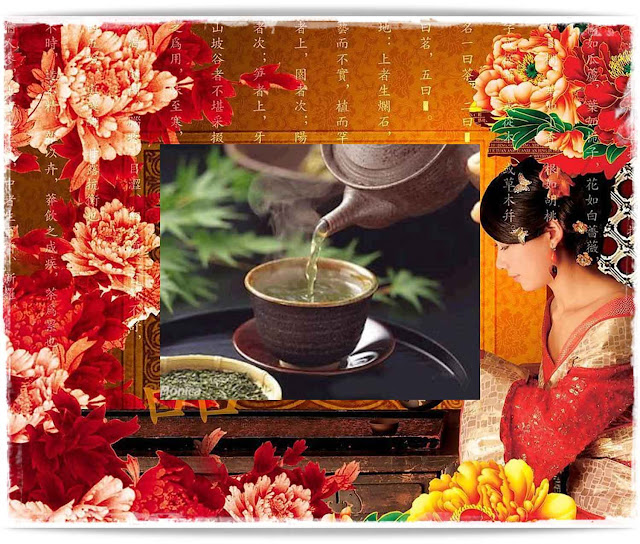
中國茶的種類是五花八門的,
常見的茶葉,
比方說 紅茶, 清茶, 香片,
烏龍茶,等等.
都各有各的味道.
The kinds of Chinese tea is multifarious,
The tea we could see in public,
for example black tea, green tea, jasmine green tea,
oolong tea,etc..
Each tea has its own flavor.
In recent years, use teabag to make a tea has become fashioned in the society,
It is convenient of course, but for general Chinese people
It is absolutely not a good way to drink tea.
It’s just same like the people who knows how to drink coffee,
they dont drink Instant coffee,
But they drink a coffee which just cooked by using ground coffee.
懂得喝茶的人
不但重視沖泡的方式,
時間和次數罷了,
而且對茶具也十分講究.
Person knowing how to drink tea
Not only emphasis on how to brew it,
The timing and frequency of the use,
but also to put a high attention on tea set.
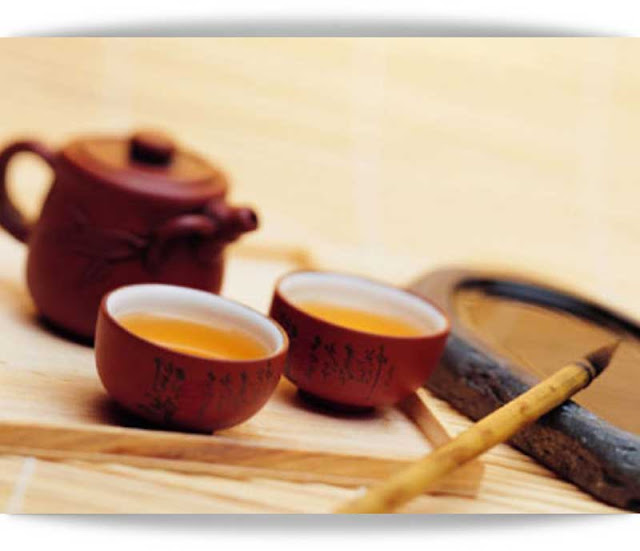
各式各樣的茶壺和茶杯,
除了實用以外[之外],
也有非常高的藝術價值
All kinds of Teapot and teacup,
Besides useful,
Also having so much artistic value
在現代的中國社會裡,
雖然不少人開始享受和咖啡的樂趣
而街頭上到處都能看見咖啡店,
但是在中國人的心目中,
茶,還是最佳的飲料.
In the modern Chinese society,
although many people begin to enjoy the hobby of drinking coffee
can found many cafehouse [established] all over the street,
But deep in the Chinese heart,
Tea is still the best beverage ever.
雖然不少人開始享受和咖啡的樂趣
而街頭上到處都能看見咖啡店,
但是在中國人的心目中,
茶,還是最佳的飲料.
In the modern Chinese society,
although many people begin to enjoy the hobby of drinking coffee
can found many cafehouse [established] all over the street,
But deep in the Chinese heart,
Tea is still the best beverage ever.

古色古香的茶藝館兒
也很合適一個人
一邊品茶一邊看書
或跟兩三位好友喝茶聊天.
Antique Teahouse [is the place that]
Also very suitable for a person
Reading and enjoy the tea
Or [a good place] for drinking tea and chatting with close friends.
飲茶文化是中國人,
從家庭投入街頭了.
The culture of drink tea is Chinese
get from the family into the public.
[The culture of drink tea is spread-ed and popularized from home]
從家庭投入街頭了.
The culture of drink tea is Chinese
get from the family into the public.
[The culture of drink tea is spread-ed and popularized from home]
Comments
Post a Comment